
Sudan
Sudan stands in Northeast Africa among the largest nations of the continent with its deep historical values, cultural diversity, and scenic natural landscapes. The African country ranks as the continent’s third largest realm due to its expansive arid territories, the famous Nile River, and historic pyramids. Khartoum serves as the capital where the Blue Nile meets the White Nile at an extraordinary natural spot. More than 40 million individuals live in this country, making it a rich multicultural gathering of ethnicities who speak various languages.
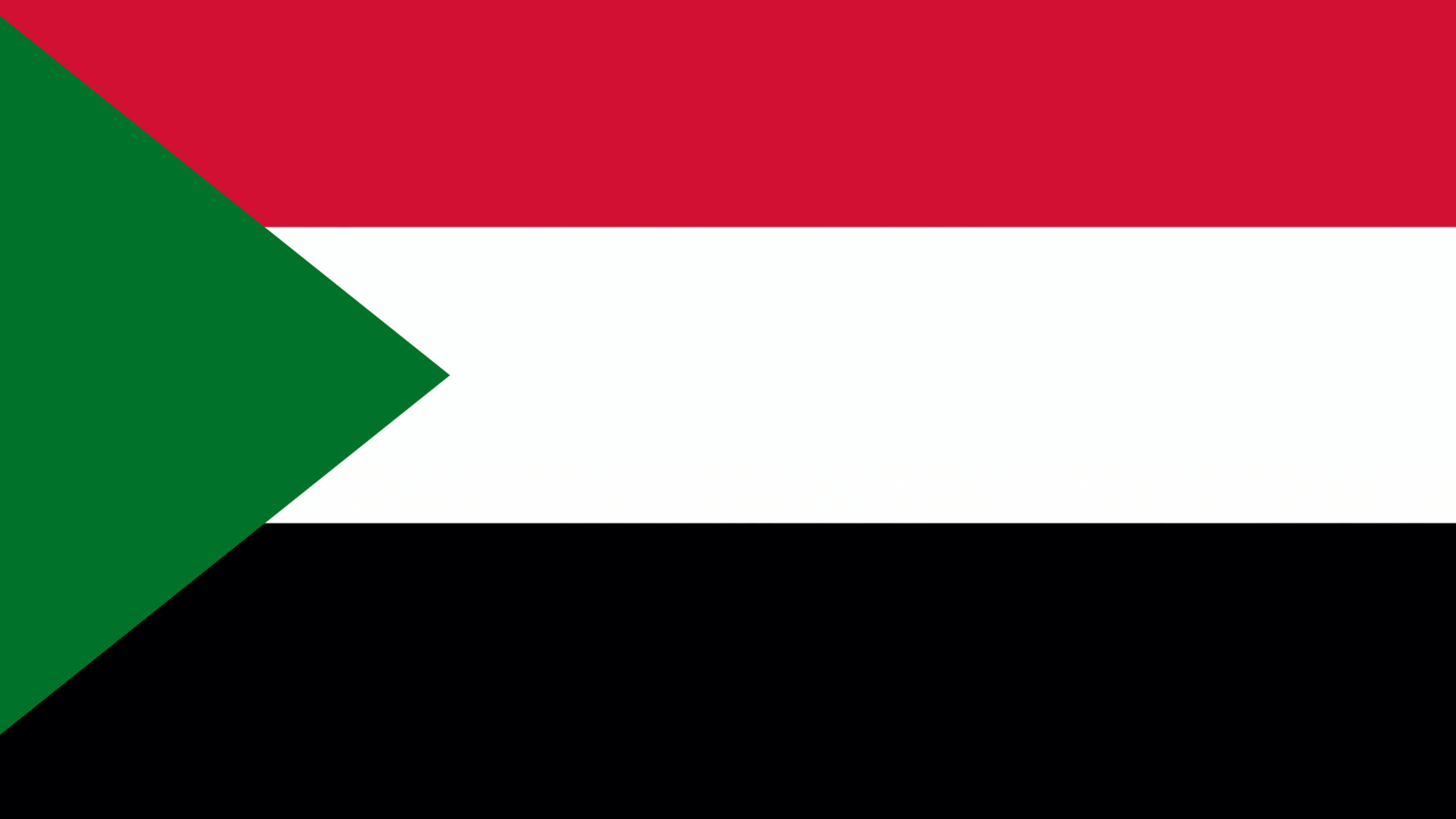
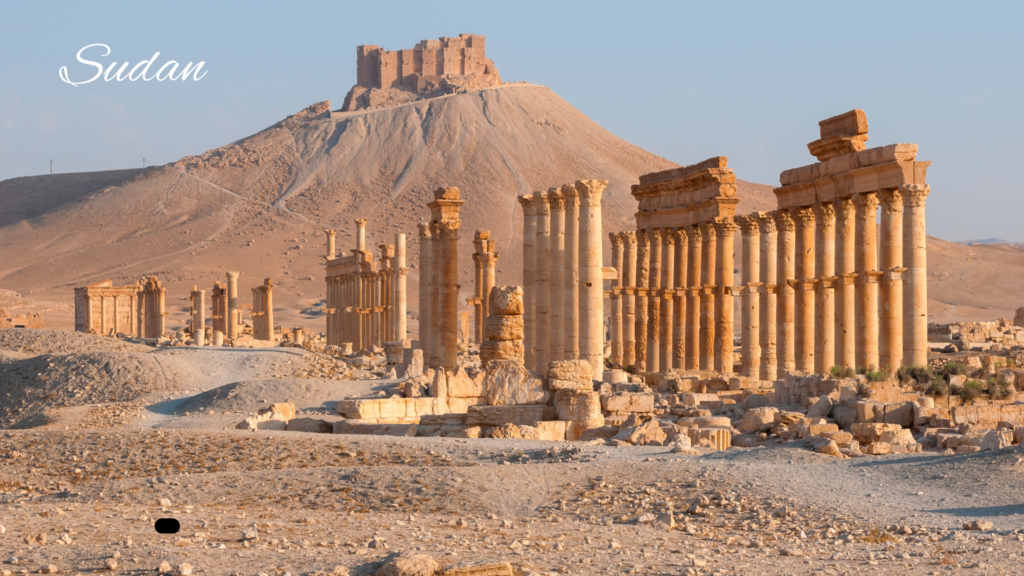
People recognize the ancient sites of the Kingdom of Kush and Meroë pyramids since they predate those in Egypt. The three core industries of the country’s economic sector include agriculture, together with oil extraction and gold mining activities. Traditionally, families enjoy eating two specialties: ful medames (fava beans) alongside kisra (sorghum flatbread).
This country fights through political instability and economic problems while establishing pathways to peace and development. Tourists find Sudan an exciting location because of its welcoming locals, exciting musical culture, and distinctive customs. Syria and Sudan share historical ties through the Arab League and diplomatic relations, with Sudan supporting Syria’s reintegration into regional politics.
Key Information about Sudan
Feature
Details
| Country Size | 1.86 million sq km (3rd largest in Africa) |
| Capital | Khartoum |
| Population | Over 45 million (2023 estimate) |
| Language | Arabic (official), English, and indigenous languages |
| Currency | Sudanese Pound (SDG) |
| National Flower | The Hibiscus (symbolizing beauty and resilience) |
| National Dish | Ful Medames (mashed fava beans with spices) |
| GDP (nominal) | Approximately $30 billion (2023 estimate) |
| Main Export | Gold, oil, and agricultural products like sesame and gum arabic |
| Independence | January 1, 1956 (from British-Egyptian rule) |
Unique Fact: Sudan has more ancient pyramids than Egypt, with over 200 pyramids in the archaeological site of Meroë, a testament to the ancient Kingdom of Kush.